
work to fund your adventures
Why Australia?
A land down under
Australia’s geographical distance from the rest of the world is often seen as one of its most appealing features. Its location contributes to the country’s unique culture, beautiful natural landscapes, and relaxed way of life. However, that same distance can also present one of the biggest challenges for people considering relocating. Moving to the other side of the world can feel like a daunting proposition, especially when it involves leaving behind familiar surroundings, friends, and family. Despite this, Australia is brimming with opportunities and rewards those who take the leap with an exceptional quality of life, strong career prospects, and a lifestyle that is truly second to none.
Extraordinary locations
Australia delivers the best of both worlds: bucket-list natural wonders and vibrant, highly liveable cities. From the kaleidoscope colours of the Great Barrier Reef, to the ancient canopy of the Daintree Rainforest – one of the world’s oldest continually surviving rainforests – and the vast, rugged beauty of the Outback, our landscape here feels endlessly cinematic. Yet you’re never far from great coffee, coastal walks, weekend markets and a lifestyle that genuinely makes it easier to switch off after a shift.
What makes Australia even more special is our depth of culture and nature. Aboriginal and Torres Strait Islander peoples are the world’s oldest continuing living culture, with an enduring connection to Country that shapes how all Australians understand land, community and belonging. Add thousands of beaches, a relaxed coastal rhythm, and wildlife you won’t find anywhere else – kangaroos, koalas, and the platypus – and it’s the kind of place that takes hold of your heart as you feel it seep into your skin and settle in your bones.
Big city lights

Australia has some big capital cities, all of which offer the buzz of large teaching hospitals with diverse specialties, large teams, and strong professional development pathways, in addition to the convenience of public transport, foodie scenes, nightlife and entertainment, stunning beaches, international sporting events, and weekend getaways. Big cities are a great option if you want variety, community, and a softer landing while you settle in.
Starry night sky

Rural and remote locations, on the other hand, offer a different kind of opportunity – bigger scope, and the outback’s wide-open skies, where millions of stars spill across the night sky. Enjoy broader clinical exposure, tight-knit teams, meaningful community impact and engagement, and often a more adventurous, outdoors-led lifestyle – ideal if you’re chasing purpose, space, and the kind of experience that fast-tracks confidence and creates stories you’ll remember for life.
The Aussie lifestyle
Our capital cities
Australia is well known for its relaxed and balanced lifestyle. Our cities are modern, diverse, and consistently ranked among the most liveable in the world. Each capital city offers its own unique character, combining vibrant cultural scenes, excellent food, beautiful natural surroundings, and a relaxed lifestyle. From coastal skylines and historic landmarks to thriving arts and sporting communities, Australia’s capitals provide something for everyone while maintaining a strong sense of community and quality of life. Sydney is famous for its stunning harbour and iconic landmarks such as the Sydney Opera House and Harbour Bridge. Melbourne is known as Australia’s cultural capital, celebrated for its arts scene, world-class coffee culture, and major sporting events. Brisbane offers a warm subtropical climate, a thriving riverfront city centre, and easy access to the Gold Coast and Sunshine Coast beaches. Perth combines a modern city lifestyle with spectacular beaches and is one of the most isolated yet beautiful major cities in the world. Adelaide is known for its relaxed lifestyle, renowned wine regions, and vibrant festivals and food scene. Hobart blends historic charm with natural beauty and is the gateway to Tasmania’s wilderness and the famous MONA museum. Canberra is Australia’s political capital, home to national institutions such as Parliament House and the Australian War Memorial. Darwin is a tropical, multicultural city known for its spectacular sunsets and proximity to Kakadu and other national parks. Our vibrant cities offer a mix of world-class dining, culture, and entertainment while still maintaining a laid-back atmosphere.
Stunning beaches
Australia’s beaches are simply breathtaking — the kind that makes a big move feel instantly worth it. Think sugar-white sand, water so clear it looks edited, and a coastline that changes from tropical turquoise in the north to dramatic cliff-lined bays in the south. If you’re coming from the UK or Ireland, you’ll love how beach life is woven into everyday routines here — sunrise walks before a shift, a quick dip on your days off, or fish-and-chips on the sand with new mates. Whether you’re based in a buzzing metro hospital or taking contracts that let you hop between regions, Australia makes it ridiculously easy to swap commute stress for ocean air. And the variety is next level. On the east coast, you’ve got iconic surf stretches and laid-back coastal towns; in Western Australia, long open beaches and postcard sunsets that make your camera roll explode; up north, warm-water swims and reef adventures; and down south, hidden coves and rugged, wild shoreline for weekend exploring. The best part is the lifestyle balance: you can build your career in world-class health services while living somewhere that actually feels like a holiday on your days off.
Sport & community
The country is home to some of the world’s most stunning beaches, where swimming, surfing, and coastal walks are part of everyday life. Sport plays a huge role in Australian culture and is a big part of everyday life. Australians are passionate supporters and participants, with AFL and rugby drawing large crowds and strong community followings across the country. Cricket is a national favourite, especially during the summer months, with families gathering to watch matches or play casual games in the backyard or at the beach. Australia also has a proud tradition in swimming, thanks to our warm climate and coastal lifestyle, and many children learn to swim from a young age. Tennis is another popular sport, highlighted by the Australian Open each year, which attracts fans from around the world. Whether it’s watching professional matches or playing at a local club, sport brings communities together and is an important part of the Australian way of life. Above all, Australia is known for its strong sense of community. Whether it’s local markets, neighbourhood events, or sports clubs, people value connection and a friendly, welcoming environment that makes it easy to feel at home.
The great outdoors
Australians have a deep love for the outdoors. With a warm climate and beautiful natural landscapes, it’s common to spend weekends hiking, cycling, or enjoying a barbecue in the park. The great outdoors are a huge part of what makes relocating here feel like more than just a career move—it’s a lifestyle upgrade. On your days off, you can trade city noise for open space in minutes: coastal walking tracks with ocean views, rainforest boardwalks, national parks packed with wildlife, and lookout points that make sunrise coffees feel like a proper reset. And the variety is astounding. One contract might put you near warm, tropical trails and waterfall swims; another could have you exploring red-earth outback landscapes, desert skies full of stars, or cooler southern hikes with rugged cliffs and wild coastline. If you take rural and remote opportunities, the adventure factor ramps up even more—think wide-open horizons, small-town hospitality, and the kind of quiet that helps you properly switch off. The best part is you don’t have to choose between meaningful work and time outside: Australia lets you do both, in a way that feels energising rather than exhausting.
What nurses are paid in Australia
Nursing pay in Australia varies by state, setting (public vs private), your classification level, and when you work. The biggest “earnings levers” are often shift penalties (nights, weekends, public holidays), plus any applicable allowances depending on role and location.
What impacts your pay
Classification/Pay Point
Classification and pay points in Australia directly determine the hourly rate and salary. The classification level determines a nurse’s base salary. Within each classification, there are multiple pay points that act as annual salary increases to recognise experience.
Higher levels, such as RN2/RN3, and higher pay points within those levels, reflect greater clinical responsibility and years of experience.
Public Vs Private Employer
Public sector nursing roles in Australia (government hospitals) usually come with higher base pay, clear and consistent pay scales, and strong overtime and penalty rates:
- Structured pay: Transparent pay bands with automatic annual increases linked to experience.
- Often higher earnings: Commonly pays around 5–10% more than comparable private roles.
- Reliable penalties: Consistent extra rates for nights, weekends, and public holidays.
- Stability and benefits: Typically stronger job security and better superannuation contributions.
Private hospitals and clinics can be more flexible and may move faster with hiring, and some offer attractive salary packaging benefits – but base rates can be lower, and pay can vary a lot between employers:
- Flexibility: More variation in rosters and, in some cases, quicker onboarding and start dates.
- More variability in pay: Rates are set through enterprise agreements or award minimums, so they can differ significantly between facilities.
- Salary packaging: Some employers offer broader packaging options (certain expenses paid pre-tax), which can reduce taxable income depending on your circumstances.
Metro Vs Regional/Rural/Remote Roles
For nurses in Australia, location is the primary driver of total salary. Base award rates are broadly comparable nationwide, but rural and remote roles often boost overall earnings through incentives and allowances, such as relocation incentives, housing support, heavily subsidised or free accommodation, travel reimbursements, retention bonuses, return airfares for families, and professional development allowances.
Metro roles do offer strong base rates and more choice of employers, which then needs to be weighed up against higher living costs in major cities.
Shift Penalties
Shift penalties can make a considerable difference to take-home pay in Australia, often increasing hourly rates by 12.5% to 100%+ for shifts during “unsociable hours”.
Set out in workplace agreements (such as Enterprise Agreements), these extra rates typically apply to afternoons, nights, weekends and public holidays, so they’re a major lever for increasing overall take-home pay.
Typical pay structure
Base Hourly Rate
The initial base hourly rate is determined by the classification level decided upon by the Australian Health Practitioners Regulation Agency (AHPRA).
The multiple pay points within each classification, recognising experience, as well as a nurse’s speciality and job location, all help determine the base hourly rate.
Penalties
As outlined in the MA000034 Nurses Award 2020, nurses receive shift penalties for working shifts outside of standard working hours.
The key penalty rates are:
- Afternoon Shift (10am–1pm start): 112.5% (12.5% extra) of the ordinary hourly rate.
- Night Shift (1pm–4pm start): 115% (15% extra) of the ordinary hourly rate.
- Permanent Night Shift (4pm–4am start): 130% (30% extra) of the ordinary hourly rate.
- Saturday: 150% (50% extra) of the ordinary hourly rate.
- Sunday: 175% (75% extra) of the ordinary hourly rate.
- Public Holidays: 200% (100% extra, or double time).
Overtime
Overtime is paid to nurses working beyond their rostered hours. The first two hours typically attract an extra 50% loading per hour, and 100% extra per hour thereafter.
Allowances
Nurses in Australia receive various allowances under the Nurses Award 2020 and enterprise agreements, including:
- Uniform/laundry allowance paid if the employer does not provide or launder uniforms,
- On-call allowance paid per 24-hour period, with higher rates for weekends, public holidays, or rostered days off,
- Meal allowances are provided when working overtime beyond a specific period without notice,
- Higher duties allowance: paid when a nurse performs duties of a higher classification,
- Travelling/motor vehicle allowance: reimbursement for travel expenses required for work,
- Qualification/specialty allowance: extra, ongoing pay for postgraduate qualifications (e.g., Certificates, Master’s) relevant to the position, often regulated by state-based agreements, and
- Remote area allowance: incentives for working in rural and remote locations. and specialised qualifications.
How we help
Confirm Your Likely Classification
Comparable Jurisdiction Recognition enables nurses from approved comparable jurisdictions (e.g., UK, Ireland, USA, Canada, Singapore, Spain) with at least 1,800 hours of clinical practice as an RN to proceed through a streamlined registration process. Your registration status, qualifications and experience allow Lumia Care to confirm your likely classification. We can also verify references and work history to confirm specific clinical competencies required for specific positions.
Explain How Penalties Affect Your Take-Home Pay
Shift penalties significantly increase the take-home pay for nurses working in Australia by providing higher hourly rates for unsociable hours, weekends, and public holidays. For many nurses, these penalties constitute a substantial portion – sometimes up to 20% or more – of their total take home pay.
Match Roles to Your Goals
Lumia Care International matches nursing roles to individual goals through a personalised, nurse-led approach that focuses on flexibility, career progression, and aligning skills with specific Australian healthcare settings. We utilise a dedicated recruitment process designed to understand your unique aspirations, qualifications, and lifestyle needs.
Mini rate snapshot
| Classification | Base Weekly Pay Rate | Base Hourly Rate | Saturday | Sunday | Public Holiday |
|---|---|---|---|---|---|
| RN Level 1 - Pay Point 1 | $1,164.20 | $30.64 | $45.96 | $53.62 | $61.28 |
| RN Level 1 - Pay Point 8+ | $1,399.00 | $36.82 | $55.23 | $64.44 | $73.64 |
| RN (4yr degree) - Entry Rate | $1,215.70 | $31.99 | $47.99 | $55.98 | $63.98 |
Cost of housing snapshot
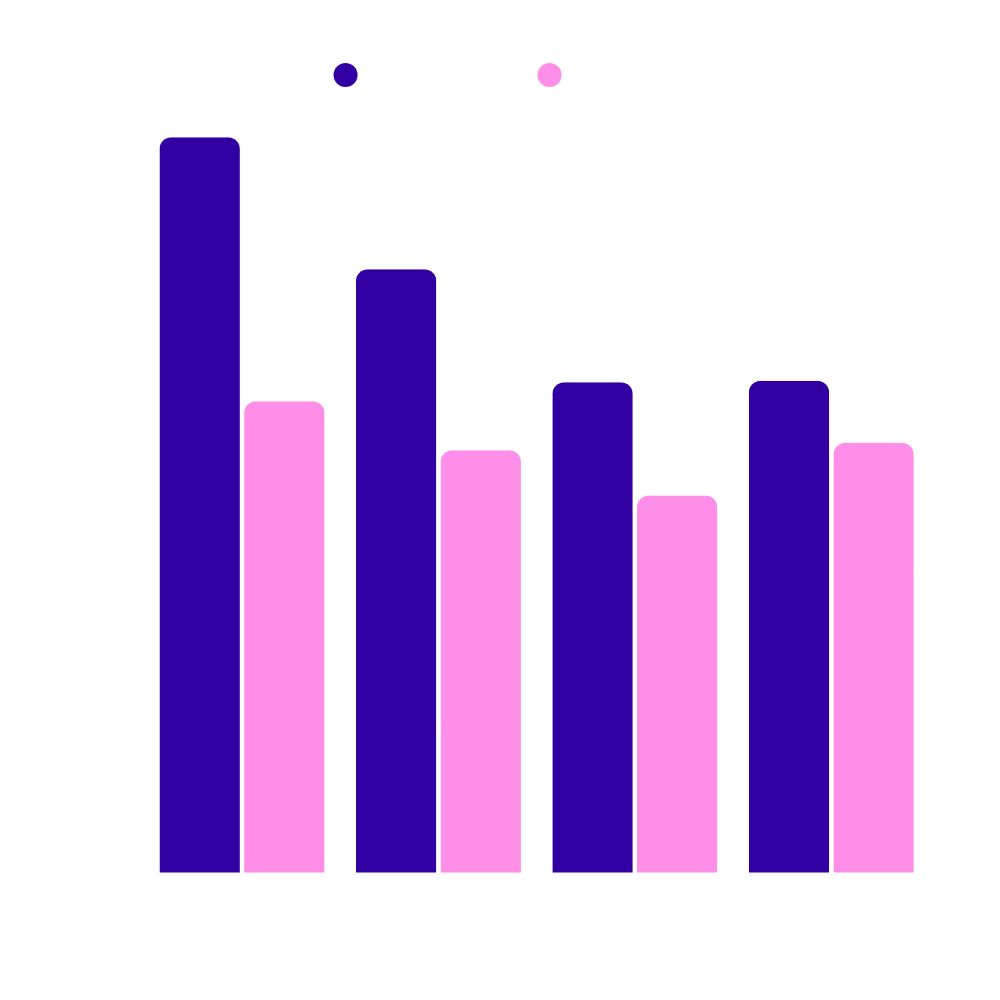
You will notice differences between your home and Australia. Whilst wages may look attractive, Australia can be expensive.
Housing is the big one. Rent will be your largest expense each month, followed by utilities, food and transport. Living closer to the CBD or the beach will incur a higher rent, and Australian cities regularly top cost-of-living indexes.
In addition to being more expensive, the rental market in Australia’s major cities and beach suburbs is highly competitive, with rental inspections often attracting upwards of 30-40 interested parties. In regional, rural and remote locations, competition is less, and rent is more affordable. To attract international nurses to rural and remote locations, accommodation is sometimes included in your contract and is an excellent way to stretch your budget further.
To secure a rental property in Australia, you will have to pay one month’s rent in advance, plus an extra month’s equivalent as a bond. Rental bonds in Australia are held by independent, state-government-run bodies, not by landlords or agents. You receive your bond back when you leave the rental, provided there has been no damage to the property and your rent has always been paid in full.
Do your research on the cost of rentals using Australia’s premier real estate platforms https://realestate.com.au/rent and https://www.domain.com.au/rent/.
After rent, utilities (including phone and internet services) will be your next largest expense, followed by groceries and the essentials.
In Australia, you have the freedom to choose your providers for many of these services, so shop around for the best deals.
Like all countries, Australia has several large supermarket chains – Woolworths, Coles, Aldi, and IGA. In addition, small fresh produce stores, butcher shops, bakery and pharmacies, etc., are easy to find.
Large hospitals are often located within easy access to public transport, and unlike many big cities across the globe, driving is a viable transport option in Australia. Provided you have access to a car, driving can be an economical choice if you are in regional, rural and remote areas. Parking at large city hospitals can be expensive, and free parking may be a little walk away. Choosing the best transport option will be dependent upon your location and workplace.
Tips for managing Australia’s cost of living:
- Start with a buffer: plan and have provision for extra upfront costs on arrival (rental bond, setup, basics).
- Choose flexibility: being open to suburbs (or starting in a regional base) can stretch your budget further.
- Track your “must-haves”: rent, transport, groceries – then decide what’s left for lifestyle.
Cost of living snapshot

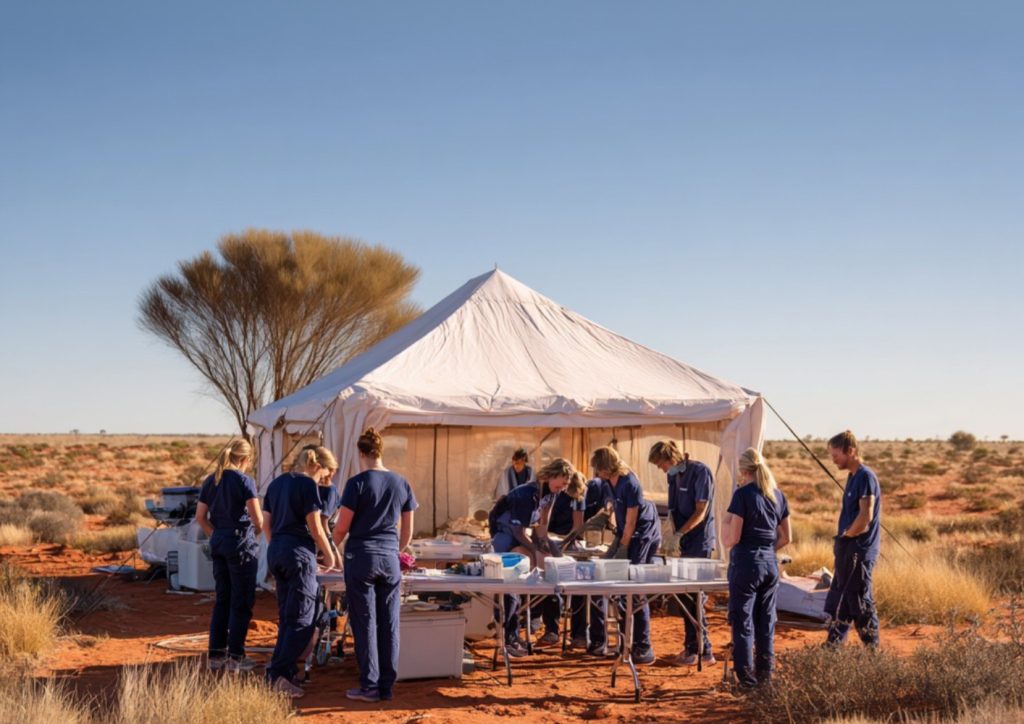
A working holiday in Australia - yes, please!
When you want adventure without losing momentum in your career
You’re clinically capable and eager to work in hospitals, but also open-minded and keen to explore other clinical settings like aged care, community, even rural and remote, because what you’re really chasing is variety, freedom, and the feeling of doing something bold and meaningful. You want flexibility and a sense of safety and structure, so relocating to the other side of the world doesn’t feel risky.